On 08/08/2026, the PDF guide offers a beginner’s gateway to computer programming. It highlights free downloads from the Internet Archive, such as Dan Gookin’s “Beginning Programming with C for Dummies,” and outlines how to use an IDE to build simple C projects. Readers can also explore extra tutorials and quizzes!
Purpose of the PDF Guide
The PDF guide serves as a concise, user‑friendly manual for newcomers eager to grasp the fundamentals of computer programming. It compiles essential chapters from popular titles, including Dan Gookin’s “Beginning Programming with C for Dummies,” and offers step‑by‑step instructions that demystify code syntax and logic. By presenting clear examples, the guide helps readers build confidence while experimenting with simple programs.
Designed to be portable and accessible, the guide aggregates free downloads from reputable sources such as the Internet Archive, where users can legally borrow or stream the referenced books. It emphasizes the importance of an Integrated Development Environment (IDE) by illustrating how to set up a basic workspace, compile code, and debug errors. This practical focus ensures that readers can immediately apply what they learn, turning theory into tangible projects.
Beyond introductory concepts, the guide explores the broader context of programming. It discusses the role of software in modern industries, the variety of programming languages, and the workflow of creating a web application. By weaving together narrative explanations with hands‑on exercises, the PDF creates a balanced learning experience that caters to visual, auditory, and kinesthetic learners alike.
Ultimately, the purpose of this PDF is to lower the barrier to entry for aspiring programmers. It offers a structured path from basic syntax to more complex problem‑solving techniques, all while encouraging experimentation and critical thinking. By the end of the guide, readers should feel equipped to tackle beginner projects and confident in their ability to learn new languages and tools.

Book Overviews
This section highlights key titles such as Dan Gookin’s “Beginning Programming with C for Dummies,” Wally Wang’s “Beginning Programming for Dummies,” and the all‑in‑one guide that covers coding fundamentals, IDE setup, and practical projects for beginners. They are free to download now
Beginning Programming with C for Dummies
Dan Gookin’s “Beginning Programming with C for Dummies” is a free PDF available through the Internet Archive. It introduces readers to C programming without assuming prior language experience. The guide emphasizes the role of an Integrated Development Environment (IDE), explaining how to set up and use one to write, compile, and debug code. It covers basic syntax, data types, control structures, functions, and pointers, while providing practical examples that illustrate each concept. The book’s structure is designed for self‑paced learning, with clear explanations, code snippets, and exercises that reinforce understanding. Readers learn how to navigate the IDE’s interface, manage projects, and troubleshoot common errors. The text also includes a discussion of best practices for writing clean, maintainable code, introduces debugging techniques that help beginners identify and fix bugs efficiently. By the end of the guide, users should feel comfortable writing simple C programs, compiling them, and using the IDE’s debugging tools to test and refine their code. The PDF is updated to reflect current IDE features and includes links to additional resources for further study. It is an ideal starting point for anyone interested in computer programming who wants a practical, hands‑on introduction to C the tools that support modern development. The book is organized into parts, starting with an introductory chapter that explains the history of C and its influence on modern languages, followed by sections that delve into variables, operators, and expressions. Subsequent chapters cover loops, conditional statements, functions, arrays, and pointers, each accompanied by sample programs that demonstrate real‑world applications. The final sections discuss file I/O, memory management, and the use of libraries, providing a comprehensive foundation for more advanced topics. Throughout, the author uses a friendly tone, includes sidebars with tips, and offers quizzes to test comprehension. The inclusion of an index and a detailed bibliography allows readers to quickly locate topics and explore further reading. The PDF’s formatting is clean, with a consistent layout that makes it easy to read on both desktop and mobile devices. Overall, the guide delivers a thorough, accessible introduction to C programming, making it a valuable resource for beginners and a useful reference for more experienced programmers who need a refresher on fundamentals. This PDF contains start and quick guide for beginners.
Beginning Programming for Dummies (Wang)
Wang’s “Beginning Programming for Dummies” is a comprehensive guide for novices seeking a clear, step‑by‑step introduction to software development. Published by Wiley and freely downloadable from the Internet Archive, the 412‑page volume covers the essentials of programming logic, data structures, and algorithmic thinking. The book’s layout follows a logical progression: it starts with the basics of computer architecture and moves into the syntax of popular languages, with a focus on C and Java. Each chapter includes practical exercises that reinforce the concepts, allowing readers to apply what they learn immediately. The text is peppered with real‑world examples, such as building a simple calculator or a basic file‑handling program, to illustrate how theory translates into practice. A comprehensive index and extensive bibliographic references provide a resource for deeper exploration. The PDF version is sizeable—658.4 MB—reflecting the inclusion of high‑resolution images, code snippets, and interactive diagrams that enhance comprehension. The book’s design is user‑friendly, with clear headings, sidebars, and a consistent formatting style that makes navigation intuitive. Whether you’re a student, a hobbyist, or a professional looking to brush up on fundamentals, Wang’s guide offers a thorough foundation that builds confidence and competence in programming. It encourages experimentation, prompting readers to modify sample code and experiment with different approaches. By the end of the text, you’ll have a solid grasp of core programming concepts and the ability to start writing your own applications with a clear understanding of best practices and common pitfalls. The free PDF download makes this resource accessible to anyone with an internet connection, ensuring that learning is not limited by cost or location!
Beginning Programming for Dummies (PDFDrive)
On 2022‑11‑09, the PDFDrive edition of “Beginning Programming for Dummies” offers a compact, reader‑friendly format that captures the essence of the original text while fitting neatly into a digital flipbook. The 2021‑06‑16 publication, hosted by THE MANTHAN SCHOOL, is available in a high‑resolution PDF that spans pages 401 to 433, providing a focused snapshot of the core material. This version emphasizes the foundational concepts of programming logic, data structures, and algorithmic thinking, distilled into concise chapters that can be navigated quickly on any device. The flipbook interface allows users to swipe through pages with ease, while embedded hyperlinks guide readers to supplementary resources and external references. The PDFDrive format is yet rich in content, making it ideal for learners who prefer a streamlined approach without the bulk of a full textbook. With clear headings, sidebars, and illustrative code snippets, the edition encourages active engagement, prompting readers to experiment with sample programs and test their understanding. The layout is optimized for both desktop and mobile viewing, ensuring a consistent reading experience across platforms. By focusing on the most essential lessons, this edition serves as a practical introduction for beginners who want to grasp fundamentals and efficiently. Students can download the PDFDrive edition for free, enabling offline study and reference during coding sessions. The book’s structure supports self‑paced learning, with each chapter ending in a set of practice problems that reinforce the newly learned concepts. Additionally, the edition includes a glossary of key terms, ensuring that newcomers can quickly locate definitions without leaving the page. The PDFDrive edition also offers a handy index, making it easy to locate specific topics quickly, and learners can annotate directly on the PDF to highlight sections and add notes!!
C Programming For Dummies
Published in 2021, the “C Programming For Dummies” volume is part of the For Dummies series that simplifies coding for beginners. Its ISBNs—9781119740247, 9781119740261, 9781119740254, 111974024X—show its broad distribution, while the DOKUMEN.PUB platform offers a PDF that can be downloaded and read offline. The book is divided into concise chapters covering compiler setup, basic syntax, pointers, memory allocation, and file I/O. Each section presents clear, step‑by‑step examples that illustrate how to write, compile, and debug C programs on Windows and Unix‑like systems. The author stresses best practices such as meaningful variable names, thorough commenting, and modular function design to promote readability and maintainability. Interactive IDE usage is encouraged so readers can see immediate feedback on syntax errors and runtime behavior. Troubleshooting tips for common pitfalls—segmentation faults, stack overflows, off‑by‑one errors—are included to help new programmers avoid frustration. The text also provides historical context for C, its role in modern software, and how it underpins languages like C++, Java, and Python. By the end, readers will have built a console application, debugged exercises, and gained confidence in writing clean, efficient C code. The PDF preserves all figures, code listings, and sidebars, ensuring visual aids remain sharp on any screen. This edition offers a low‑friction entry point into C programming, making the learning curve approachable and enjoyable. The book’s layout is mobile‑friendly, allowing study on tablets or smartphones without losing formatting. Its clear typography and consistent formatting make it easy to skim and locate key concepts quickly, which is especially helpful for time‑constrained learners who need to grasp fundamentals before moving on to advanced topics. Additionally, the PDF includes a quick‑reference cheat sheet that summarizes common syntax and functions for rapid consultation. This cheat sheet is handy during coding sessions.
Key Concepts
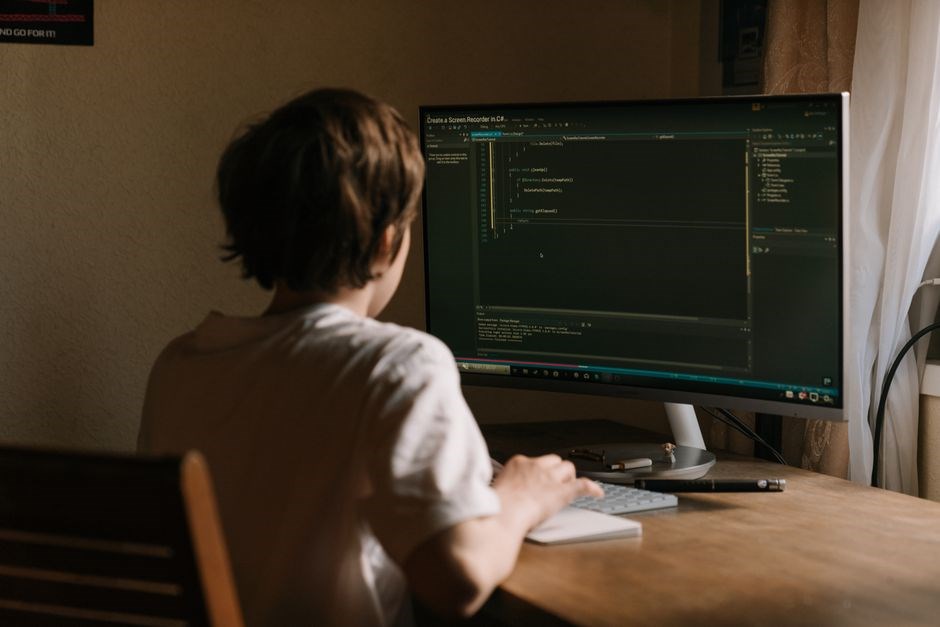
Key concepts cover programming fundamentals: variables, data types, control flow, functions, and debugging. It explains how IDEs streamline coding with syntax highlighting, auto‑completion, and real‑time error detection, emphasizing best practices for clean, maintainable code and efficient
Integrated Development Environments (IDEs)
Integrated Development Environments, or IDEs, are essential tools for anyone learning to code, especially those exploring computer programming for dummies PDFs. An IDE bundles a code editor, compiler or interpreter, debugger, and often a version‑control interface into a single application, streamlining the development workflow; For beginners, IDEs provide syntax highlighting that visually separates keywords, variables, and literals, making code easier to read and reducing errors. Auto‑completion suggests function names and parameters as you type, helping users remember correct syntax and speeding up coding. The built‑in debugger allows step‑through execution, setting breakpoints, and inspecting variable values, which demystifies the logic behind programs and teaches debugging fundamentals. Project management features organize files, libraries, and build configurations, so novices can focus on learning concepts rather than file‑system clutter. Many free IDEs are available for C programming, such as Code::Blocks, Dev‑C++, and the lightweight Visual Studio Code with C/C++ extensions. Eclipse and NetBeans also offer robust environments with graphical interfaces and plugin ecosystems. The PDF guide recommends downloading these tools from reputable sources like the Internet Archive, where users can access installers and documentation bundled with the “Beginning Programming with C for Dummies” e‑book. Students also benefit from the interactive tutorials and example projects included in the PDF, which illustrate real‑world applications and encourage hands‑on experimentation daily practice
Fundamentals of C Programming
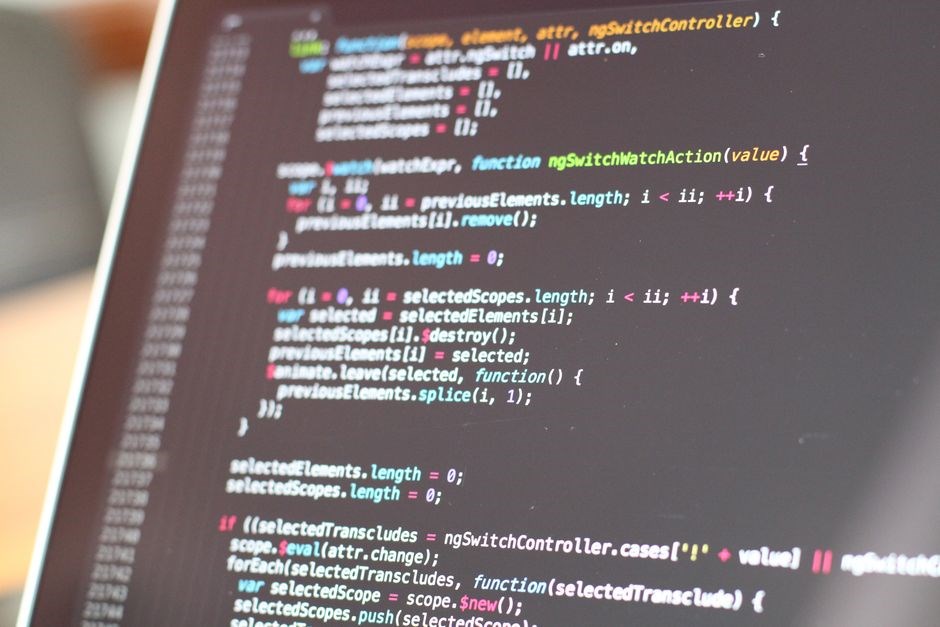
Fundamentals of C programming form the backbone of any beginner’s journey into computer programming for dummies PDFs. The “Beginning Programming with C for Dummies” e‑book, freely available through the Internet Archive, introduces core syntax—data types, operators, control structures, and functions—without assuming prior coding experience. By walking through simple examples, it demonstrates how to declare variables, use loops, and write modular code that can be compiled and executed in an IDE such as Code::Blocks or Visual Studio Code. The text emphasizes understanding memory layout, pointer arithmetic, and the distinction between stack and heap allocation, which are critical for efficient programs. Readers are encouraged to experiment with sample projects, modifying values and observing runtime behavior, reinforcing concepts of scope, lifetime, and scope resolution. The PDF guide also highlights best practices for naming conventions, commenting, and code organization, ensuring novices learn to write readable code from the outset. By mastering these fundamentals, learners gain confidence to tackle more advanced topics such as file I/O, dynamic memory management, and the use of standard libraries, setting a solid foundation for future exploration in software development!!!

In addition to the textbook material, the PDF includes interactive quizzes and coding challenges that test comprehension of conditional statements, loops, and function prototypes. Each exercise is designed to reinforce the logical flow of a program, encouraging students to think critically about algorithm design and error handling. The guide also explains how to use debugging tools within the IDE to step through code, inspect variable values, and identify common pitfalls such as off‑by‑one errors or uninitialized variables. By integrating theory with practice, the resource ensures that readers not only memorize syntax but also develop a deeper understanding of how C programs are constructed and executed at the machine level. This holistic approach prepares beginners for real‑world programming tasks, where clear logic, efficient memory usage, and robust error handling are paramount. Students learn to compile and run code from the IDE, gaining feedback that reinforces learning.

Learning Resources
Explore free PDF downloads on the Internet Archive, PDFDrive, and DOKUMEN.PUB. These platforms host titles like “Beginning Programming with C for Dummies” and “C Programming For Dummies.” Use them to access tutorials, sample code, and practice exercises Additionally community forums and YouTube tutorials complement thesePDF