ReliOn Blood Pressure Monitor Manual: A Comprehensive Guide
ReliOn offers various models – HEM-18SREL, HEM-412CREL, HEM-741CREL, HEM-780REL, and UA-787REL – aiding effective blood pressure management. This guide details setup, usage, and troubleshooting, ensuring accurate readings and proper care for your ReliOn device.
Understanding Your ReliOn Monitor
ReliOn blood pressure monitors are designed for convenient home use, empowering individuals to proactively manage their cardiovascular health. These automatic monitors, like the BP200 HEM741CRELN4, simplify tracking blood pressure trends over time. Understanding the components is key: the cuff, the monitor unit itself, and the display screen.
The cuff size is crucial for accuracy; ensure a proper fit according to your arm circumference. ReliOn monitors utilize oscillometric measurement, detecting pressure variations in your arteries. Regular calibration isn’t typically required, but consistent use and proper maintenance are vital. Familiarize yourself with the error codes, as they indicate potential issues.
These devices are not intended to replace professional medical advice; always consult your doctor for diagnosis and treatment. The manual provides detailed instructions, and resources like Consumer Reports offer independent testing data for validation. Effectively utilizing your ReliOn monitor contributes to informed healthcare decisions.
ReliOn Monitor Models: An Overview
ReliOn offers a range of automatic blood pressure monitors to suit diverse needs. The ReliOn HEM-18SREL is a basic, reliable model for straightforward monitoring. Stepping up, the HEM-412CREL often includes features like memory storage for tracking readings. The HEM-741CREL, notably tested by Consumer Reports (BP200 HEM741CRELN4), provides enhanced accuracy and potentially dual-user capabilities.
For more advanced features, the HEM-780REL may offer Bluetooth connectivity for data transfer to smartphones. The UA-787REL model typically incorporates additional health monitoring functionalities beyond blood pressure. Each model’s specifications, detailed in its user manual, outline specific features and capabilities.
Choosing the right ReliOn monitor depends on individual requirements, such as memory needs, data connectivity preferences, and budget. Always refer to the specific model’s manual for detailed operating instructions and validation information.
HEM-18SREL Model Details
The ReliOn HEM-18SREL is an entry-level automatic blood pressure monitor designed for simplicity and ease of use. It’s a straightforward device focused on providing basic blood pressure readings. While specific detailed specifications aren’t widely publicized, it functions as a reliable tool for initial home monitoring.
Users should consult the included instruction manual for proper cuff attachment, positioning, and reading interpretation. The HEM-18SREL typically operates on batteries, and correct installation is crucial for accurate performance. It’s important to note that Medaval hasn’t independently verified the accuracy of its measurement technology.
This model is best suited for individuals needing a simple, no-frills blood pressure monitor. Regular calibration checks, as outlined in the manual, are recommended to maintain accuracy. Proper storage and cleaning, as detailed in the care section, will prolong the device’s lifespan.
HEM-412CREL Model Details
The ReliOn HEM-412CREL is an automatic blood pressure monitor offering a step up in features compared to the HEM-18SREL. It’s designed for home use and aims to provide reliable blood pressure measurements for personal health management. This model often includes features like memory storage for tracking readings over time, allowing users to monitor trends.
The user manual is essential for understanding the device’s functions, including proper cuff placement and interpreting systolic and diastolic readings. Battery installation and replacement procedures are also detailed within the manual. Like other ReliOn monitors, consistent adherence to the instructions is vital for accuracy.
While generally considered a dependable option, it’s important to remember that independent accuracy validation data is limited. Users should compare readings with a standard sphygmomanometer if concerns arise. Regular maintenance, including cleaning and proper storage, will ensure optimal performance and longevity.
HEM-741CREL Model Details
The ReliOn HEM-741CREL is a popular automatic blood pressure monitor frequently discussed in consumer reports and comparisons. Notably, the BP200 HEM741CRELN4 variant has been specifically tested by Consumer Reports as part of their blood pressure monitor evaluation program. This model typically features advanced capabilities like irregular heartbeat detection and a larger memory capacity for storing multiple readings.
The accompanying instruction manual provides detailed guidance on proper usage, emphasizing correct cuff application and body positioning for accurate measurements. It also outlines error code interpretations, assisting users in troubleshooting potential issues. Understanding the manual is crucial for maximizing the monitor’s benefits.
Consumer Reports testing assesses the monitor’s clinical validation against the auscultatory method using an aneroid sphygmomanometer, a standard for accuracy. While results vary, the HEM-741CREL generally aims for clinical-grade precision, making it a suitable choice for home monitoring.
HEM-780REL Model Details
The ReliOn HEM-780REL automatic blood pressure monitor is designed for convenient and reliable home health monitoring. While specific details from comprehensive testing like Consumer Reports aren’t readily available as with the HEM-741CREL, it shares the core functionality of accurate blood pressure and pulse measurement.
The user manual for this model stresses the importance of following instructions carefully for optimal performance. This includes proper cuff placement, maintaining a relaxed posture during readings, and understanding the meaning of systolic and diastolic values. Correct battery installation is also highlighted for consistent operation.
Like other ReliOn monitors, the HEM-780REL aims to provide a user-friendly experience, often featuring a clear display and memory storage for tracking blood pressure trends. Regular maintenance, including cleaning and proper storage, is recommended to ensure longevity and accuracy.
UA-787REL Model Details
The ReliOn UA-787REL is an automatic blood pressure monitor designed for home use, offering a convenient way to track cardiovascular health. Information regarding detailed comparative testing, such as that performed by Consumer Reports on models like the HEM-741CREL, is currently limited for this specific unit.
However, the core principles of accurate measurement remain consistent across the ReliOn range. The user manual emphasizes the necessity of correct cuff application, a stable and relaxed posture during measurement, and a clear understanding of systolic and diastolic readings. Proper battery installation is crucial for reliable operation.
This model likely features memory storage for tracking readings over time, aiding in identifying trends. Regular cleaning and careful storage, as outlined in the general ReliOn manual guidelines, are vital for maintaining accuracy and extending the monitor’s lifespan.
Getting Started: Initial Setup
Before using your ReliOn blood pressure monitor, proper initial setup is essential for accurate readings. Begin by carefully reading the entire instruction manual provided with your specific model – HEM-18SREL, HEM-412CREL, HEM-741CREL, HEM-780REL, or UA-787REL – to understand its unique features.
The first step involves installing the batteries correctly, ensuring proper polarity as indicated within the battery compartment. Next, familiarize yourself with attaching the cuff properly. The cuff should be snug but not too tight, positioned correctly on your upper arm, and at heart level.
Incorrect cuff placement is a common source of error. Take time to understand the recommended arm circumference range for your model. A thorough understanding of these initial steps will contribute significantly to obtaining reliable blood pressure measurements.
Installing Batteries Correctly
Proper battery installation is crucial for the accurate functioning of your ReliOn blood pressure monitor. Locate the battery compartment, typically on the back or side of the device. Refer to your model’s manual – whether it’s the HEM-18SREL, HEM-412CREL, HEM-741CREL, HEM-780REL, or UA-787REL – for specific compartment location.
Insert the batteries, paying very close attention to the polarity markings (+ and -) inside the compartment. Incorrect polarity can damage the monitor and void any warranty. Use only the recommended battery type, as specified in the manual. Avoid mixing old and new batteries, or different battery types.
Ensure the batteries are securely seated and the compartment door is firmly closed. A loose connection can lead to inaccurate readings or the monitor failing to operate. Regularly check battery levels to maintain consistent performance.
Attaching the Cuff Properly
Correct cuff attachment is paramount for obtaining accurate blood pressure readings with your ReliOn monitor (HEM-18SREL, HEM-412CREL, HEM-741CREL, HEM-780REL, or UA-787REL). Position the cuff on your upper arm, ensuring the lower edge is approximately one inch (2-3 cm) above your elbow.
The artery marker on the cuff should align with the brachial artery, located on the inner side of your elbow. Wrap the cuff snugly, but not too tightly – you should be able to slip a fingertip under the edge. Avoid positioning the cuff over clothing, as this can distort readings.
If using a cuff designed for larger or smaller arms, ensure you’ve selected the appropriate size. A poorly fitted cuff will yield inaccurate results. Secure the cuff firmly with the Velcro closure, ensuring it remains in the correct position throughout the measurement process.
Taking Accurate Blood Pressure Readings
Achieving reliable results with your ReliOn blood pressure monitor (models HEM-18SREL, HEM-412CREL, HEM-741CREL, HEM-780REL, UA-787REL) requires adherence to specific guidelines. Prior to measurement, rest for five minutes in a quiet room. Proper positioning is crucial; sit upright with your back supported and feet flat on the floor.
Avoid talking or moving during the reading. Ensure the cuff is correctly attached, snug but not constricting, positioned one inch above the elbow with the artery marker aligned. Multiple readings are recommended, spaced one to two minutes apart, to confirm consistency.

Be mindful of factors that can influence readings, such as recent exercise, caffeine intake, or smoking. Understanding potential measurement errors and following the manual’s instructions diligently will maximize the accuracy of your ReliOn monitor.
Proper Positioning During Measurement
To obtain accurate blood pressure readings with your ReliOn monitor (HEM-18SREL, HEM-412CREL, HEM-741CREL, HEM-780REL, UA-787REL), maintaining correct body positioning is paramount. Sit upright in a chair with back support, ensuring your feet are flat on the floor and not crossed.
Your arm should be supported at heart level, ideally on a table or armrest. Avoid bending your elbow or tensing your arm muscles during inflation. Relax your body and refrain from talking or moving, as these actions can artificially elevate readings.
Ensure the cuff is positioned correctly – approximately one inch above the elbow – with the artery marker aligned. Incorrect positioning can lead to inaccurate measurements, hindering effective blood pressure management. Consistent positioning is key for reliable results.
Avoiding Common Measurement Errors
Achieving accurate blood pressure readings with your ReliOn monitor (HEM-18SREL, HEM-412CREL, HEM-741CREL, HEM-780REL, UA-787REL) requires awareness of potential errors. Avoid caffeine, alcohol, and smoking for at least 30 minutes before measurement, as these can influence readings.
Ensure a relaxed state; stress and anxiety elevate blood pressure. Don’t talk during measurement and avoid crossing your legs. A full bladder can also affect results, so empty it beforehand. Incorrect cuff size is a frequent error – use the appropriate size for your arm circumference.
Multiple readings, spaced a minute apart, are recommended for accuracy. Don’t inflate the cuff too quickly or tightly. Consistent positioning, as detailed in the manual, is crucial. Review readings with your healthcare provider for proper interpretation.
Understanding Systolic and Diastolic Readings
Your ReliOn monitor (HEM-18SREL, HEM-412CREL, HEM-741CREL, HEM-780REL, UA-787REL) displays two numbers: systolic and diastolic blood pressure. Systolic pressure, the top number, measures the force when your heart beats, pushing blood through arteries. Diastolic, the bottom number, reflects the pressure in arteries when your heart rests between beats.
Both values are measured in millimeters of mercury (mmHg). Understanding these readings is vital for assessing cardiovascular health. Normal blood pressure generally falls below 120/80 mmHg. Elevated systolic pressure, even with a normal diastolic, requires attention.
Consistent monitoring, as outlined in the manual, helps establish a baseline. Share your readings with your doctor for accurate interpretation and personalized health management. Remember, a single reading isn’t definitive; trends are more informative.
Interpreting Your Results
Using your ReliOn monitor (HEM-18SREL, HEM-412CREL, HEM-741CREL, HEM-780REL, UA-787REL) provides valuable data, but interpreting it requires understanding blood pressure categories. Normal readings are generally considered below 120/80 mmHg. Elevated readings (120-129 systolic, under 80 diastolic) indicate prehypertension, warranting lifestyle adjustments.
Hypertension, or high blood pressure (130/80 mmHg or higher), increases cardiovascular risk. Conversely, hypotension (generally below 90/60 mmHg) can cause dizziness or fainting. These classifications are guidelines; your doctor provides personalized interpretation.
Regular monitoring, as detailed in the manual, helps track trends. Share readings with your healthcare provider for accurate assessment and tailored recommendations. Don’t self-diagnose; professional guidance is crucial for effective blood pressure management.
What is Considered Normal Blood Pressure?
Determining “normal” blood pressure, using your ReliOn monitor (HEM-18SREL, HEM-412CREL, HEM-741CREL, HEM-780REL, UA-787REL), is crucial for health management. Generally, a reading below 120/80 mmHg is considered within the normal range for adults. The first number (systolic) represents pressure when your heart beats, while the second (diastolic) is pressure when it rests.
However, “normal” can vary based on age, health conditions, and individual factors. Consistent readings slightly above 120/80 mmHg may still be acceptable, but should be discussed with your doctor. Understanding your baseline, as outlined in the manual, is key.
Regular monitoring allows you to identify trends and potential issues. Always consult a healthcare professional for personalized interpretation of your blood pressure readings and appropriate action.
High Blood Pressure (Hypertension) Explained
Using your ReliOn monitor (HEM-18SREL, HEM-412CREL, HEM-741CREL, HEM-780REL, UA-787REL), consistently high blood pressure readings – generally 140/90 mmHg or higher – indicate hypertension. This condition strains your heart and arteries, increasing risks of heart disease, stroke, and kidney problems. The manual emphasizes regular monitoring for early detection.
Hypertension often has no symptoms, making regular checks vital; Factors like diet, lifestyle, and genetics contribute to its development. Accurate readings from your ReliOn device, following proper technique, are essential for diagnosis.
If your monitor consistently displays elevated readings, consult a healthcare professional. They can assess your overall health, recommend lifestyle changes, or prescribe medication to manage your blood pressure effectively.

Low Blood Pressure (Hypotension) Explained
Your ReliOn blood pressure monitor (models HEM-18SREL, HEM-412CREL, HEM-741CREL, HEM-780REL, UA-787REL) can also reveal low blood pressure, generally considered below 90/60 mmHg. While often less concerning than hypertension, hypotension can cause dizziness, fainting, blurred vision, and fatigue. The manual stresses understanding your baseline readings.
Several factors can cause low blood pressure, including dehydration, medication side effects, heart problems, and endocrine issues. Consistent low readings warrant medical attention to determine the underlying cause.
Accurate measurements with your ReliOn device, adhering to the instructions, are crucial for identifying hypotension. If you experience symptoms alongside low readings, seek medical advice promptly. Proper monitoring helps ensure your well-being and allows for timely intervention if needed.
Troubleshooting Common Issues
If your ReliOn blood pressure monitor (HEM-18SREL, HEM-412CREL, HEM-741CREL, HEM-780REL, UA-787REL) displays error codes, consult the manual for specific meanings. A common issue is the monitor failing to inflate; ensure the cuff tubing is securely connected and not kinked. Check battery installation, as low batteries can cause malfunctions.
Inconsistent readings are another frequent concern; Review proper measurement techniques – correct positioning, cuff placement, and avoiding movement – as detailed in this manual. If problems persist, replace the batteries.
Remember, the ReliOn device is a tool; always correlate readings with your overall health and consult a healthcare professional for interpretation. Medaval notes concerns regarding accuracy, reinforcing the need for professional validation if doubts arise.
Error Codes and Their Meanings
ReliOn blood pressure monitor error codes signal potential issues requiring attention. While specific codes vary by model (HEM-18SREL, HEM-412CREL, HEM-741CREL, HEM-780REL, UA-787REL), the manual is your primary resource for decoding them. Common errors include “Err” or a flashing symbol, often indicating cuff pressure problems.
A “Low Battery” indicator necessitates immediate battery replacement to ensure accurate readings. Other codes might relate to tubing disconnection or internal system errors. Always refer to your model’s specific manual for a comprehensive list and troubleshooting steps.
Ignoring error codes can lead to unreliable measurements. If a code persists despite troubleshooting, contact customer support or consult a healthcare professional. Accurate interpretation relies on understanding the code’s meaning within your ReliOn device.
Monitor Not Inflating
If your ReliOn blood pressure monitor (models HEM-18SREL, HEM-412CREL, HEM-741CREL, HEM-780REL, UA-787REL) fails to inflate, several factors could be at play. First, verify the cuff tubing is securely connected to the main unit; a loose connection prevents proper inflation. Secondly, check the batteries – low power is a frequent cause. Replace them with fresh ones.
Ensure the cuff isn’t kinked or twisted, restricting airflow. Also, confirm the cuff is applied correctly, not too tight or loose. If the issue persists, examine the cuff for leaks or damage. A damaged cuff requires replacement.
Consult your manual for specific troubleshooting steps related to your model. If none of these solutions work, contact ReliOn customer support for assistance. Proper inflation is crucial for accurate blood pressure readings.
Inconsistent Readings
Experiencing inconsistent blood pressure readings with your ReliOn monitor (HEM-18SREL, HEM-412CREL, HEM-741CREL, HEM-780REL, UA-787REL) is common, but requires investigation. Ensure proper technique is followed each time – consistent positioning, relaxed arm, and correct cuff placement are vital. Avoid caffeine, exercise, and smoking for at least 30 minutes before measurement.
Take multiple readings, spaced a few minutes apart, and average the results. Note that white coat hypertension (anxiety during measurement) can elevate readings. If inconsistencies persist, verify battery strength and cuff integrity. Compare your ReliOn readings with those from a standard sphygmomanometer, if possible.
Refer to your manual for model-specific guidance. If significant discrepancies continue, consult your healthcare provider. Accurate monitoring relies on consistent technique and a functioning device.
Maintenance and Care
Proper maintenance ensures the longevity and accuracy of your ReliOn blood pressure monitor (HEM-18SREL, HEM-412CREL, HEM-741CREL, HEM-780REL, UA-787REL). Regularly clean the monitor and cuff with a slightly damp cloth; avoid harsh chemicals or abrasives. Do not immerse the unit in water.
Inspect the cuff for cracks or leaks, and replace it if damaged. Store your ReliOn monitor in a cool, dry place, away from direct sunlight and extreme temperatures. Remove the batteries if the device will not be used for an extended period to prevent corrosion.
Always refer to your specific model’s manual for detailed cleaning instructions. Following these simple steps will help maintain reliable blood pressure measurements and extend the life of your device.
Cleaning Your ReliOn Monitor
To maintain accuracy and hygiene, regularly clean your ReliOn blood pressure monitor (HEM-18SREL, HEM-412CREL, HEM-741CREL, HEM-780REL, UA-787REL). Begin by disconnecting the cuff from the main unit. Use a soft, slightly damp cloth to gently wipe the exterior of the monitor and the cuff. Avoid using strong detergents, solvents, or abrasive cleaners, as these can damage the device.
Ensure no liquid enters the internal components. For stubborn stains, lightly dampen the cloth with diluted mild soap, then wipe clean with a dry cloth. Pay attention to cleaning the areas that come into direct contact with skin. Always refer to the manual for specific cleaning recommendations for your model.
Proper cleaning contributes to reliable blood pressure readings and extends the lifespan of your ReliOn monitor.
Storing Your Monitor Properly
Proper storage is crucial for maintaining the longevity and accuracy of your ReliOn blood pressure monitor (HEM-18SREL, HEM-412CREL, HEM-741CREL, HEM-780REL, UA-787REL). When not in use, store the monitor in a cool, dry place, away from direct sunlight and extreme temperatures; Avoid storing it in areas with high humidity, as this can damage the internal components.
Keep the cuff attached or stored neatly alongside the monitor to prevent damage to the tubing. Do not store the monitor with heavy objects placed on top of it, as this could cause deformation or malfunction. Refer to your manual for specific storage guidelines related to your model.
Correct storage ensures your ReliOn monitor remains in optimal condition, providing consistent and reliable blood pressure measurements.
ReliOn Monitor Accuracy & Validation
Ensuring accuracy is paramount when using a ReliOn blood pressure monitor (HEM-18SREL, HEM-412CREL, HEM-741CREL, HEM-780REL, UA-787REL). Validation studies compare these monitors to the standard auscultatory method, utilizing an aneroid sphygmomanometer, to assess performance.
Consumer Reports conducts rigorous testing of blood pressure monitors, including the ReliOn BP200 HEM741CRELN4. These tests evaluate the monitor’s ability to provide clinically accurate readings. While ReliOn aims for precision, independent verification is valuable.
It’s important to note that some sources, like Medaval, haven’t found conclusive evidence proving the accuracy of ReliOn’s measurement technology. Always consult with a healthcare professional to confirm readings and discuss any concerns regarding your blood pressure.
Comparison to Auscultatory Method (Sphygmomanometer)
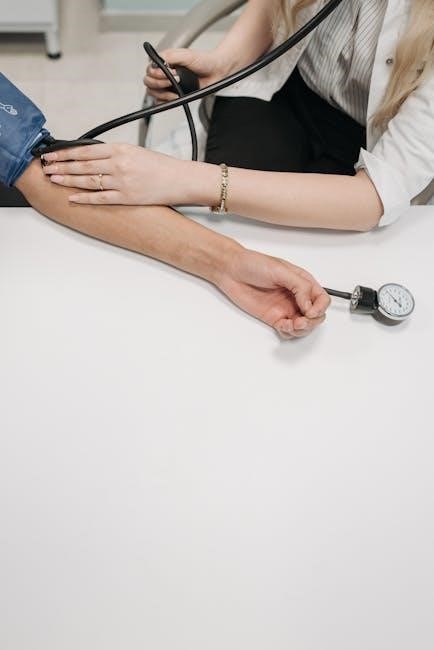
Validating the accuracy of ReliOn blood pressure monitors (HEM-18SREL, HEM-412CREL, HEM-741CREL, HEM-780REL, UA-787REL) often involves comparison to the auscultatory method – using a traditional aneroid sphygmomanometer and stethoscope. This “gold standard” allows healthcare professionals to directly listen to Korotkoff sounds, determining systolic and diastolic pressures.
Studies assess how closely ReliOn’s automated readings align with those obtained manually. Discrepancies can arise due to factors like cuff size, positioning, and individual variations in arterial stiffness. A reliable monitor should demonstrate consistent agreement with the auscultatory method across a range of blood pressure values.
While convenient, automated monitors aren’t always perfect substitutes. Regular calibration and proper technique are crucial for obtaining accurate results. If significant differences persist, consult a healthcare provider for further evaluation.
Consumer Reports Testing & Results (BP200 HEM741CRELN4)
Consumer Reports rigorously tests blood pressure monitors, including the ReliOn BP200 HEM741CRELN4, to assess their clinical accuracy and usability. This model, available at Walmart, undergoes evaluation against a standardized protocol, comparing its readings to those obtained by trained professionals using a calibrated sphygmomanometer.
Testing focuses on the monitor’s ability to consistently and accurately measure blood pressure across diverse user groups. Consumer Reports evaluates factors like cuff fit, ease of use, and the clarity of displayed results. The BP200 HEM741CRELN4’s performance is then ranked relative to other tested models.
Results are published to help consumers make informed purchasing decisions. While specific scores fluctuate with each testing cycle, Consumer Reports provides valuable insights into the ReliOn BP200’s reliability and overall value.